
Elective Modules for the Practical Master's Modules
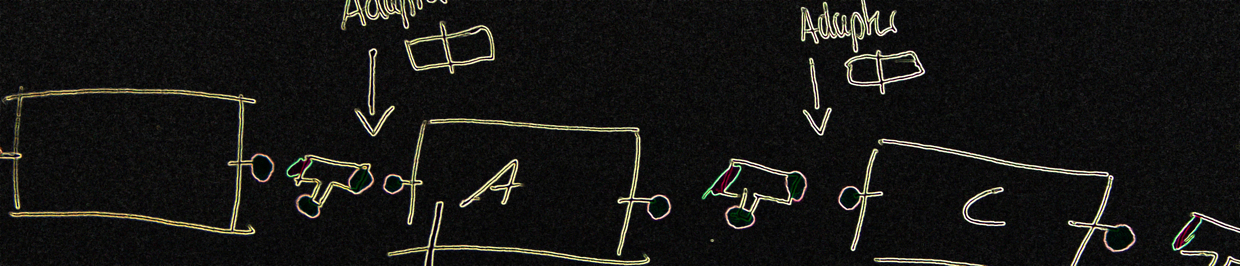
At the beginning, you will select three divisions that will form your area of focus. Within each of these three divisions, you will choose two research modules (four-week, graded internships that include lectures) and one project module (a four-week, ungraded internship). Since the project modules are completed individually, they are arranged on a case-by-case basis with the respective providers. There is also the option to complete project internships (project modules) externally.
1. Find an external internship position and coordinate it with a KIT advisor
Once you have received confirmation from the external internship provider, please contact an examiner at KIT who can evaluate the internship from a subject-matter perspective. When doing so, describe the planned activities. This requires information about the company, the scope of responsibilities, the on-site supervisor, as well as the duration and time commitment of the internship. Credit is granted only if the internship involves a minimum of 210 hours (7 LP). The information listed above must be summarized in a brief proposal.
Please note that the internship must be completed without pay, as it is a curricular requirement.
2. Submit Documents After Completing the External Internship
Upon completion of the external internship, submit the application for registration of an external internship (placeholder certificate) along with a report containing a description of the completed project to your examiner. The report must meet academic standards and be signed by the external supervisor.
3. Submit the application to the Examination Board
Once the application has been approved by the examiner, submit the signed Application for Registration of an External Internship (Placeholder Certificate) to the Examination Board at biologiestudium ∂does-not-exist.chem-bio kit edu.
The research modules are offered in fixed blocks, and the selection of modules before the start of the semester determines the allocation of students to the respective research modules.
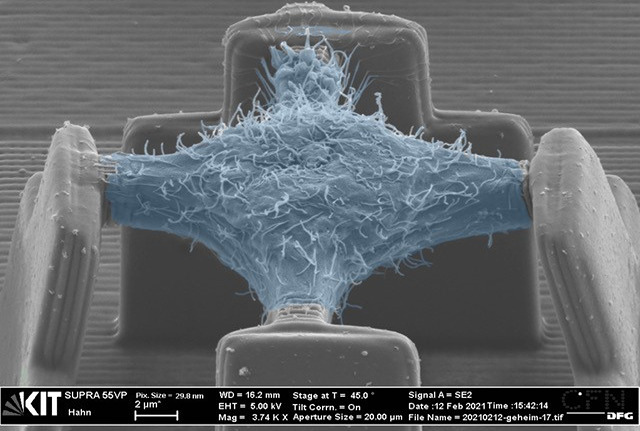
Life Science Engineering (LSE) sees itself as an interface between the life sciences and engineering sciences with the aim of making innovative findings from the life sciences technically usable.
Elective Area Life Science Engineering
Whether plant biochemistry, CRISPR/Cas, phytochrome research, applied biodiversity or plant stress, you can contribute to current research in every area.
Elective Area Botany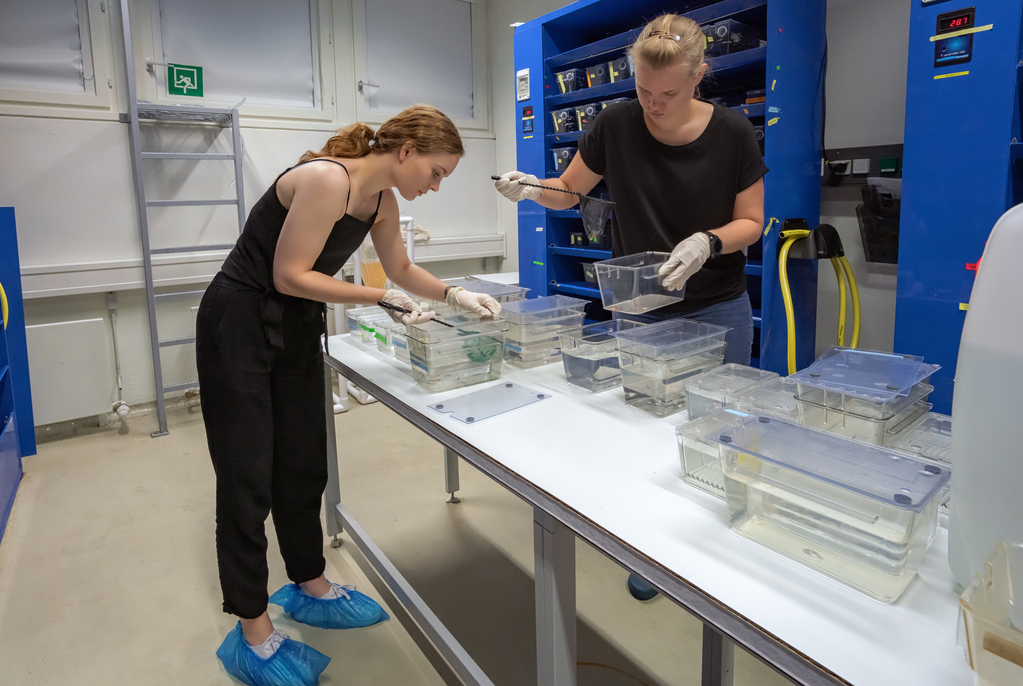
The module canon offers a diverse range in the zoological field - with modules such as neurodevelopmental biology, pathophysiology and signal transduction.
Elective Area Zoology
With genetic engineering, plant pathogen research, food toxicology and biotechnology, the Institute of Applied Biosciences offers a broad spectrum in the field of microbiology.
Elective Area Microbiology
Genetic engineering, methods of developmental genetics, applied plant genetics, genetics of eukaryotes - nowadays no biologist can do without genetics.
Elective Area Genetics
Molecular biology is one of the most frequently chosen fields - its modules impart fundamental knowledge that is indispensable in almost all biological disciplines.
Elective Area Molecular Biology
The cell biology modules provide research-oriented insights into cellular processes using microscopic and molecular biological methods.
Elective Area Cell Biology
From the individual cell to the complete organism: how do differentiation and development work? These questions are addressed in the modules of the Developmental Biology section.
Elective Area Developmental Biology
In the field of biotechnology, interdisciplinary issues are researched in order to apply fundamental findings in technical terms. With its technical focus, the KIT offers very good opportunities to put these approaches into practice.
Elective Area Biotechnology
Biochemistry includes interdisciplinary modules such as biomolecular microanalysis, phenomics and chemomics as well as tissue engineering and 3D cell culture. The longitudinal subject of the same name, Biochemistry, is offered by AG Ulrich at the Institute of Organic Chemistry and runs over the entire summer semester.
Elective Area Biochemistry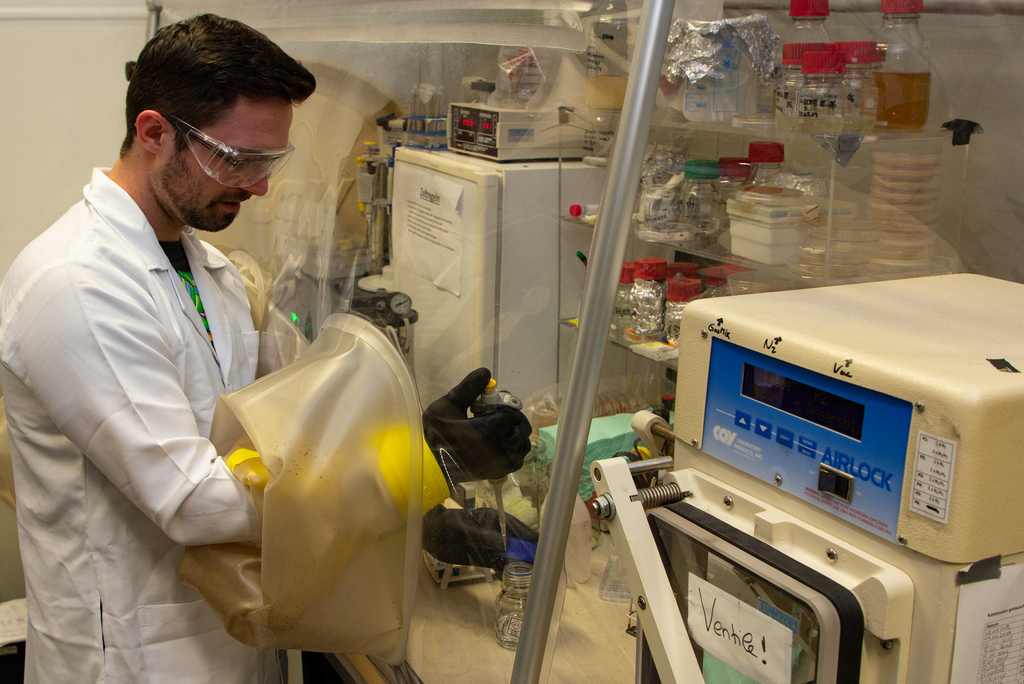
The Technical Biology elective area is offered by our sister faculty Bioengineering and comprises a longitudinal subject that spans the entire summer semester.
Elective Area Technical Biology
The 12-week longitudinal subject Toxicology of the elective area of the same name is offered by the Department of Food Chemistry and Toxicology at the Institute of Applied Biosciences.
Elective Area Toxicology
Would you like to transfer your previously acquired knowledge to ecosystems?
In cooperation with our sister faculty Geoecology, you have the opportunity to specialize in this area.